How is Climate Changing Agriculture in Bangladesh?
 12 min to read
Bangladesh has always been shaped by its seasons. Farmers have worked with rain, heat, floods, and changing weather for generations. But that balance is getting harder to maintain.
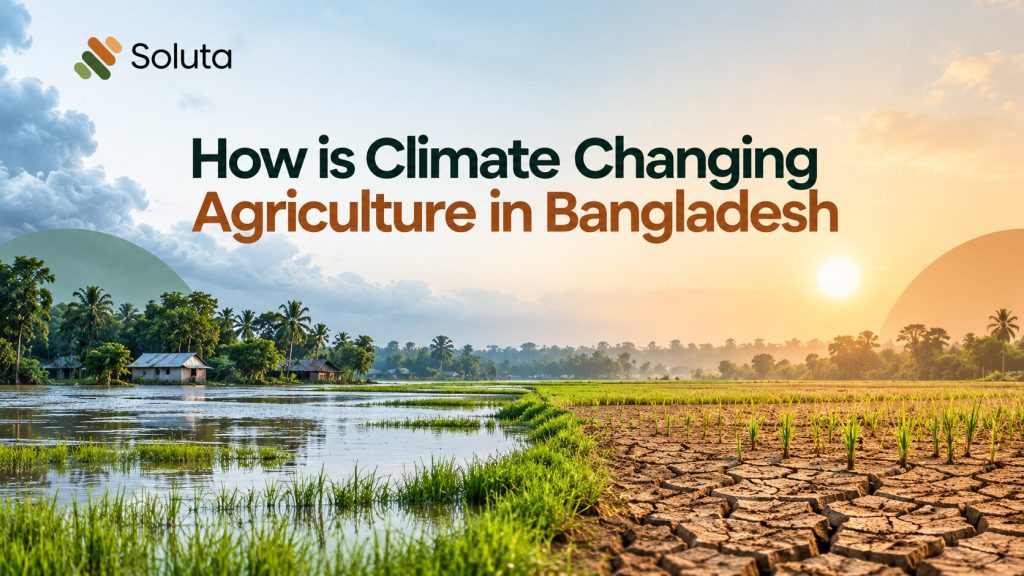
So, how is climate change changing agriculture in Bangladesh? Climate change is making farming in Bangladesh more unpredictable. Rising temperatures stress crops, irregular rainfall disrupts planting, floods damage farmland, drought limits water supplies, and salinity threatens coastal agriculture. These changes can also increase pest pressure, reduce farm income, and make agricultural planning harder.
For farmers, the challenge is not only dealing with extreme weather when it happens. It is also making decisions when the future is harder to predict. In this article, we’ll explore how climate change is affecting Bangladesh’s agriculture and why better information, planning, and risk management are becoming increasingly important.
Table of Contents
How Is Climate Change Affecting Agriculture in Bangladesh?
Climate change does not affect every part of Bangladesh in the same way. Some farming areas face intense heat and drought, while others deal with floods, waterlogging, or rising salinity.
Rising temperatures are putting pressure on crops
Higher temperatures can put crops under heat stress, especially during sensitive stages such as flowering and grain formation. Hotter conditions can also increase water demand and make irrigation more difficult.
For farmers, this can make crop growth less predictable. Even when there is enough water, excessive heat can still affect plant development and overall productivity. Extreme heat can also affect livestock, fisheries, farm workers, and the water resources that support agriculture.
Changing rainfall is making farming harder to plan
The problem is not simply getting more rain or less rain. It is knowing when the rain will come.
Farmers rely on seasonal patterns to decide when to plant, irrigate, apply inputs, and harvest. When rainfall becomes more irregular, those decisions become harder. Heavy rain at the wrong time can damage crops, while a delayed or weak rainy season can increase the need for irrigation.
This uncertainty can make even a carefully planned farming season harder to manage.
Flooding and waterlogging can damage crops
Flooding is not new to Bangladesh. But when heavy rainfall, river flooding, or flash floods occur at the wrong time, the impact on agriculture can be severe.
Standing water can damage crops, delay planting, and make fields difficult to work. Prolonged waterlogging can also affect soil conditions and limit farmers’ ability to grow conventional crops.
Farmers in flood-prone areas have developed ways to adapt. Floating gardens, for example, allow crops to be grown on floating beds when farmland remains underwater. FAO recognizes this traditional practice as a climate-smart adaptation used in Bangladesh.
Drought and water stress affect farming in other regions
While flooding is a major concern, some parts of Bangladesh face a very different problem: too little water.
The northwestern region is particularly exposed to drought and water stress. When rainfall is limited and temperatures are high, farmers may have to rely more heavily on irrigation. This can increase pressure on already limited water resources.
Crop diversification and better water management can help farmers adapt to these conditions. But adaptation also depends on understanding local weather and water risks before making farming decisions.
Salinity is changing coastal agriculture
Climate risks look different in coastal Bangladesh.
Saltwater intrusion can increase the salinity of soil and water, making it harder to grow crops that are sensitive to salt. This can change what farmers can grow and how they manage their land.
For coastal communities, the challenge is not only recovering after a cyclone or flood. The gradual change in soil and water conditions can also reshape agriculture over time.
This makes climate-resilient farming especially important in coastal areas, where farmers may need to consider salt-tolerant crops, alternative farming methods, and better water management.
Pests and diseases can become harder to manage
Climate change can also affect the biological side of farming.
Changes in temperature, humidity, rainfall, and growing conditions can influence where pests thrive and how quickly some crop diseases spread. As farming conditions change, pests and diseases that were once less common in an area may become a bigger concern.
For farmers, this adds another layer of uncertainty. Managing a crop is no longer only about responding to the weather. It also means watching how changing environmental conditions affect the wider ecosystem around the farm.
Beyond the Harvest: The Wider Impact of Climate Change on Agriculture
Climate change affects more than crop production. It can disrupt the entire agricultural value chain, from the resources farmers need to the markets where they sell their products. In Bangladesh, where many rural households depend on agriculture for income, these disruptions can create problems that last beyond a single growing season.
- Livestock and fisheries: Extreme heat, changing water conditions, and floods can affect animal health, feed availability, fish habitats, and production.
- Farm inputs and irrigation: Climate-related disruptions can make seeds, fertilizer, feed, and water harder to access when farmers need them most.
- Labor and farm operations: Extreme heat can make outdoor work more difficult, while floods can delay planting, harvesting, and other essential activities.
- Storage and transportation: Flooded roads and damaged infrastructure can delay deliveries, increase spoilage, and prevent agricultural products from reaching markets on time.
- Market access and household income: Production losses and supply-chain disruptions can reduce farm earnings while increasing the cost of running agricultural operations.
These effects are closely connected. A farmer may lose part of a harvest, spend more on irrigation, and then face transportation problems when trying to sell the remaining produce. For households with limited financial reserves, recovering from these setbacks can be difficult.
This is why climate resilience must extend beyond the farm itself. Protecting agricultural livelihoods also requires reliable infrastructure, stronger supply chains, access to useful information, and better ways to manage financial risk.
Climate Adaptation Strategies for Farmers in Bangladesh
Climate change is making farming less predictable, but farmers can take practical steps to reduce some of its risks. The right approach depends on local conditions. A farmer dealing with drought in Rajshahi need a different strategy from someone managing salinity in Satkhira or flash floods in Sunamganj.
Here are some practical ways to make farming more resilient to changing climate conditions.
Choose Climate-Resilient Crop Varieties
Growing crop varieties suited to local climate risks can help farmers protect production. Depending on the region, this may mean choosing flood-tolerant rice, drought-tolerant varieties, or crops that can withstand higher soil salinity.
For example, farmers in flood-prone areas may benefit from rice varieties developed for temporary submergence, while coastal farmers may consider salt-tolerant varieties recommended for their local conditions. Agricultural extension officers can help farmers identify suitable options.
Adjust Planting Schedules
Traditional planting calendars may become less reliable when rainfall and seasonal temperatures change. Farmers can use local weather forecasts, seasonal outlooks, and agricultural advisories to make better-informed decisions about planting and harvesting.
Adjusting planting dates does not eliminate weather risks, but it can help farmers avoid some unfavorable conditions during sensitive stages of crop growth.
Improve Water and Soil Management
Water management is essential in both drought-prone and flood-prone areas. Farmers can reduce avoidable water loss through more efficient irrigation practices, while maintaining drainage can help prevent prolonged waterlogging.
Soil management also matters. Practices such as maintaining soil organic matter, using suitable ground cover, and reducing erosion can support soil health and water retention. The most appropriate methods depend on local soil conditions and the resources available to farmers.
Diversify Crops and Farming Activities
Depending entirely on one crop can leave farmers exposed when unfavorable weather damages that harvest. Where land, water, and market conditions allow, growing different crops or combining crop production with suitable livestock or fisheries activities may spread some of that risk.
However, diversification needs careful planning. Different crops require different inputs, growing conditions, and market access. Farmers should consider these requirements before changing their production systems.
Follow Weather Forecasts and Early Warnings
Timely information can help farmers prepare for extreme weather before it causes damage. Weather forecasts, flood warnings, and agricultural advisories can support decisions about irrigation, harvesting, livestock protection, and other farm activities.
In Bangladesh, farmers can access agricultural weather information and crop-specific advisories through the Bangladesh Agro-Meteorological Information Service (BAMIS). These resources can help farmers understand potential risks and plan their activities accordingly.
Strengthen Financial Preparedness
Climate adaptation also requires financial planning. Farmers may need funds to replace damaged inputs, repair equipment, arrange irrigation, or restart production after a severe weather event.
Keeping basic farm records, estimating seasonal expenses, and setting aside emergency funds when possible can help farmers prepare for unexpected costs. Access to suitable credit and agricultural insurance may also support recovery, although affordability and availability vary.
How Can Technology Help Farmers Deal With Climate Change?
Technology can help farmers in Bangladesh prepare for climate risks and make better farming decisions. From weather forecasts to AI-powered tools, digital solutions can turn agricultural data into useful information.
Weather Forecasts and Early Warnings
Weather forecasts help farmers prepare for heavy rain, drought, and extreme heat. Timely warnings can help them plan irrigation, protect livestock, and harvest crops before severe weather arrives.
Satellite Data for Crop Monitoring
Satellite images can help monitor crop health, soil conditions, and flood-affected farmland. This information can help farmers and agricultural organizations identify potential problems earlier.
AI for Better Farming Decisions
AI can analyze weather, soil, and crop data to identify patterns and estimate potential risks. These insights can support decisions about planting, irrigation, pest management, and crop monitoring. However, accurate results depend on reliable data and local conditions.
Agricultural Data for Risk Assessment
Combining climate information with agricultural data can help organizations understand where risks are highest. For example, lenders may use relevant farm and climate information to assess the risks associated with agricultural loans.
Digital Platforms for Agricultural Planning
Digital platforms can bring weather updates, agricultural information, and risk assessments together. This can help farmers, agribusinesses, and financial institutions access useful information when making decisions.
How Can Soluta Help Build Climate-Resilient Agriculture?
Managing climate risk requires more than responding to extreme weather. Agricultural businesses and financial institutions also need better ways to understand risks, assess potential losses, and make informed decisions.
Soluta’s AI-powered AgriFinTech platform focuses on agricultural risk intelligence, helping connect agricultural data with better risk assessment and financial decision-making.
By bringing relevant agricultural and environmental information together, Soluta aims to help stakeholders better understand climate-related risks, identify potential vulnerabilities, and plan for changing conditions.
For agricultural businesses, financial institutions, and other stakeholders, this kind of insight can support more informed decisions about agricultural operations, investment, and risk management.
As climate challenges continue to evolve, Soluta’s vision is to help build a more connected, data-driven agricultural ecosystem – one that’s better equipped to understand uncertainty and strengthen resilience across Bangladesh’s agricultural sector.
FAQs
Q: Which crops in Bangladesh are most vulnerable to climate change?
Rice, wheat, maize, and vegetables can all be affected by climate-related stress, but their vulnerability depends on the growing season and location. For example, rice in coastal areas may face salinity, while crops in drought-prone regions may suffer from water shortages and high temperatures. No single crop is equally vulnerable across the country.
Q: Can climate change affect food prices in Bangladesh?
Yes. Climate-related crop losses can reduce food supplies, while damaged roads and transport disruptions can make distribution more difficult. These pressures can contribute to higher prices. However, actual price changes also depend on imports, market demand, storage, and government policies.
Q: How can farmers in Bangladesh check climate and weather risks?
Farmers can use the Bangladesh Agro-Meteorological Information Service (BAMIS) for agricultural weather forecasts, crop advisories, and other relevant information. Official flood warnings and advice from local agricultural extension officers can also help farmers prepare for changing conditions.
Q: Can smallholder farmers adapt to climate change without major investment?
Some practices, such as adjusting planting schedules based on reliable forecasts, improving field drainage, and diversifying suitable crops, may require limited investment. Other measures, including irrigation equipment and climate-resilient infrastructure, can be more expensive. Farmers should prioritize options that match their local risks and available resources.
Q: How can climate change affect agricultural loans and repayments?
Climate-related crop losses can reduce a farmer’s income while increasing expenses for replanting, irrigation, or other inputs. This can make loan repayments more difficult. Better farm records, suitable insurance, and climate-risk information may help farmers and lenders prepare for these uncertainties, although they cannot eliminate financial risk.
Q: Can AI predict climate risks for individual farms?
AI can analyze weather records, satellite imagery, soil information, and other agricultural data to identify patterns and estimate potential risks. However, its accuracy depends on data quality, local conditions, and the type of prediction. AI should support farmers’ decisions, not replace reliable forecasts or local agricultural expertise.
Q: What is the difference between climate change and extreme weather?
Extreme weather refers to events such as heatwaves, heavy rainfall, and severe storms. Climate change refers to long-term shifts in temperature and weather patterns. Climate change can affect the likelihood or intensity of certain extreme events, but a single weather event does not automatically prove that climate change caused it.
Final Thoughts
Climate change is making agriculture in Bangladesh more challenging, affecting crop production, farmers’ income, and the wider agricultural ecosystem. Building resilience requires climate-smart practices, reliable information, and better risk management.
With access to better agricultural data and climate intelligence, farmers and agribusinesses can make more informed decisions and prepare for an uncertain future. At Soluta, we believe these insights can help support a more resilient agricultural sector in Bangladesh.