
Every farming season begins with hope. But with a whopping stat of $182.7 billion in losses from natural disaster events back in 2024, this is something to be concerned about. That happened because weather data was not properly predicted, or if there were any technologies available, they didn’t work. So, Risk Mitigation, along with farming, is as important as farming itself.
What is Agricultural Risk Intelligence? Well, in easy words, agricultural Risk Intelligence is the process of identifying, analyzing, and predicting potential risks that could affect agricultural production and farm operations. Simple as that. Well, simple in idea, not always in execution.
Let’s break this down in detail.
As agriculture becomes more connected and data-driven, Agricultural Risk Intelligence is quietly becoming one of the most valuable tools behind smarter farming. And honestly, it might become one of those things we’ll wonder how we ever managed without.
Table of Contents
What Is Agricultural Risk Intelligence?
Let’s talk about it. You already know what it is theoretically.
It’s about giving farmers, agribusinesses, insurers, and financial institutions a clearer picture before they make important decisions. Because when you understand risk a little earlier, you usually have more options. It isn’t about replacing farmers with AI or asking technology to make decisions for them. Quite the opposite, actually.
It brings together information from different sources, like weather forecasts, satellite imagery, historical farm records, crop conditions, market trends, and even AI-powered analytics. Individually, these pieces of information are useful. Together, they start telling a much bigger story.
I would like to think of it this way: Knowing that heavy rainfall is expected tomorrow is weather information. Knowing that the same rainfall could increase disease pressure on a specific crop in a particular region is risk intelligence.
That’s the difference.
Instead of reacting after something goes wrong, Agricultural Risk Intelligence helps people prepare before it happens. It shifts farming from “We’ll deal with it when it comes” to “Let’s see what’s coming first.”
And this doesn’t only benefit farmers.
Today, in this era of agri-fintech Banks can make more informed lending decisions. Insurance providers can better understand agricultural risks. Agribusinesses can plan supply chains with greater confidence. Even governments and development organizations can use these insights to improve food security and agricultural resilience.
In many ways, it’s less about collecting more data and more about making existing data finally make sense.
Why Farming Has Become More Risky Nowadays
Farming has always involved uncertainty. No farmer has ever expected every season to go exactly according to plan.
But today’s risks feel stacked.
Climate change is making weather patterns more unpredictable than many farming communities have experienced before. A season that should have brought steady rainfall might suddenly swing between drought and flooding. Heatwaves last longer. Storms arrive harder. Sometimes all within the same growing season.
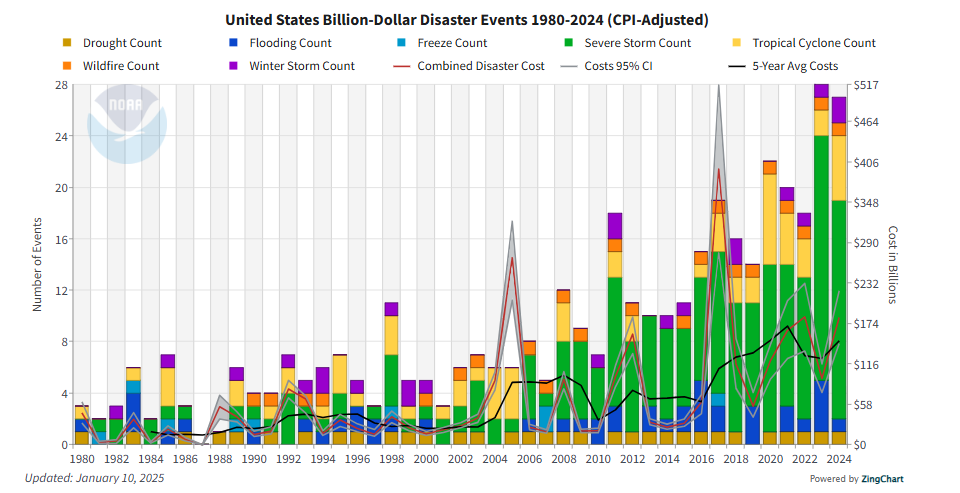
Image: Collected from NCEI
Then there are pests and crop diseases.
As environmental conditions shift, pests are appearing in places they weren’t common before. Diseases spread differently. Farmers often have less time to respond, and the cost of responding keeps climbing.
Speaking of costs, that’s another challenge altogether.
Seeds, fertilizers, fuel, labor, machinery, transportation. Almost every input required for farming has become more expensive over the years. Which means every farming decision carries a little more financial weight than it used to. A mistake doesn’t just reduce yields anymore. It can seriously affect profitability.
Markets haven’t exactly become easier either.
Crop prices can change quickly based on global demand, supply chain disruptions, policy changes, or international trade conditions. Farmers may produce a healthy harvest and still struggle because the market simply isn’t cooperating.
And then comes financing and insurance.
Financial institutions and insurers increasingly rely on data when assessing agricultural risks. Farmers who have better records, stronger visibility into their operations, and clearer evidence of risk management are often in a better position to access financial services.
However, none of this means farming is becoming impossible. It does mean that experience alone isn’t always enough anymore. Experience still tells farmers what worked yesterday. Risk intelligence helps them understand what might happen tomorrow. Somewhere between those two is where smarter decisions begin.
How Does Agricultural Risk Intelligence Work?
Agricultural Risk Intelligence sounds like a very technical thing. And, the name does make it sound more complicated than it is, I know. But the basic idea is pretty straightforward.
Different types of agricultural data are collected, connected, and analyzed to understand what could happen next. The goal isn’t to predict the future perfectly. Nobody can do that. The goal is to make the future a little less blurry.
Collecting Data From Different Sources
The first step is gathering useful information.
This can include weather conditions, satellite imagery, historical crop data, soil information, farm records, market information, and other environmental signals.
One piece of data rarely tells the whole story. A temperature reading by itself doesn’t say much. But when you look at temperature alongside rainfall, crop conditions, location, and historical patterns, things start becoming more interesting.
The data starts having context.
Finding Patterns With AI
This is where AI becomes useful.
AI systems can process huge amounts of information much faster than a person sitting with a spreadsheet ever could. They can identify patterns, compare historical conditions, and spot relationships that might otherwise be easy to miss.
For example, a system may identify that certain weather conditions have previously been linked with higher crop risk in a specific area.
That doesn’t mean the same thing will definitely happen again.
It simply gives farmers and agricultural organizations something valuable: an early signal.
And sometimes, an early signal is all you need to make a better decision.
Turning Data Into Risk Insights
Raw data isn’t very helpful if nobody knows what to do with it.
Agricultural Risk Intelligence turns those complicated datasets into information people can actually use.
A farmer might need to know whether a particular crop is facing increased weather risk. An insurer might want to understand the potential exposure of a farming area. A financial institution might need a clearer picture before providing agricultural financing.
Different people need different answers. Intelligence comes from connecting the information to the decision that needs to be made.
Supporting Better Decisions
This is probably the most important part.
Agricultural Risk Intelligence doesn’t remove risk. It helps people see it earlier.
That can mean changing a planting decision, preparing for extreme weather, reviewing an insurance requirement, assessing a potential agricultural investment, or simply keeping a closer eye on a particular farm or region.
The technology does the heavy lifting with the data. People still make the decisions. And that part matters.
Who Can Benefit From Agricultural Risk Intelligence?
Agriculture is an ecosystem. Farmers are at the center of it, but they aren’t the only ones dealing with agricultural risk.
Better risk intelligence can help almost everyone connected to that ecosystem.
Farmers
For farmers, better intelligence can mean better preparation.
Knowing about potential weather, crop, or environmental risks earlier can help them decide where to focus their time and resources.
It won’t guarantee a perfect harvest. Nothing can.
But it can help reduce the number of decisions that are basically educated guesses.
Agribusinesses
Agribusinesses deal with risk at a much larger scale.
They may work with thousands of farms, multiple regions, different crops, suppliers, distributors, and changing market conditions.
Having access to reliable agricultural intelligence can help them understand what’s happening across their operations and make decisions with a broader picture in mind.
Agricultural Lenders
Lending money for agriculture has always involved a certain level of uncertainty.
Banks and financial institutions need to understand the risks behind agricultural businesses before making financing decisions.
Better agricultural data can give lenders more visibility into those risks and help them evaluate opportunities more intelligently.
Insurance Providers
Insurance is another area where risk intelligence becomes especially useful.
Insurers need to understand the probability and potential impact of agricultural losses. Better data can help them assess those risks more accurately and develop insurance products that actually reflect what’s happening on the ground.
Governments and Development Organizations
Agriculture affects food security, rural economies, and entire communities.
Governments and development organizations can use agricultural intelligence to understand regional risks, plan interventions, and identify where support may be needed most.
So, yes, this is bigger than farming. It is really about making the agricultural ecosystem a little more informed.
Does Soluta Have a Risk Intelligence Feature?
Soluta is still expanding its feature list, and the risk intelligence feature isn’t fully set up yet. But it’s in progress.
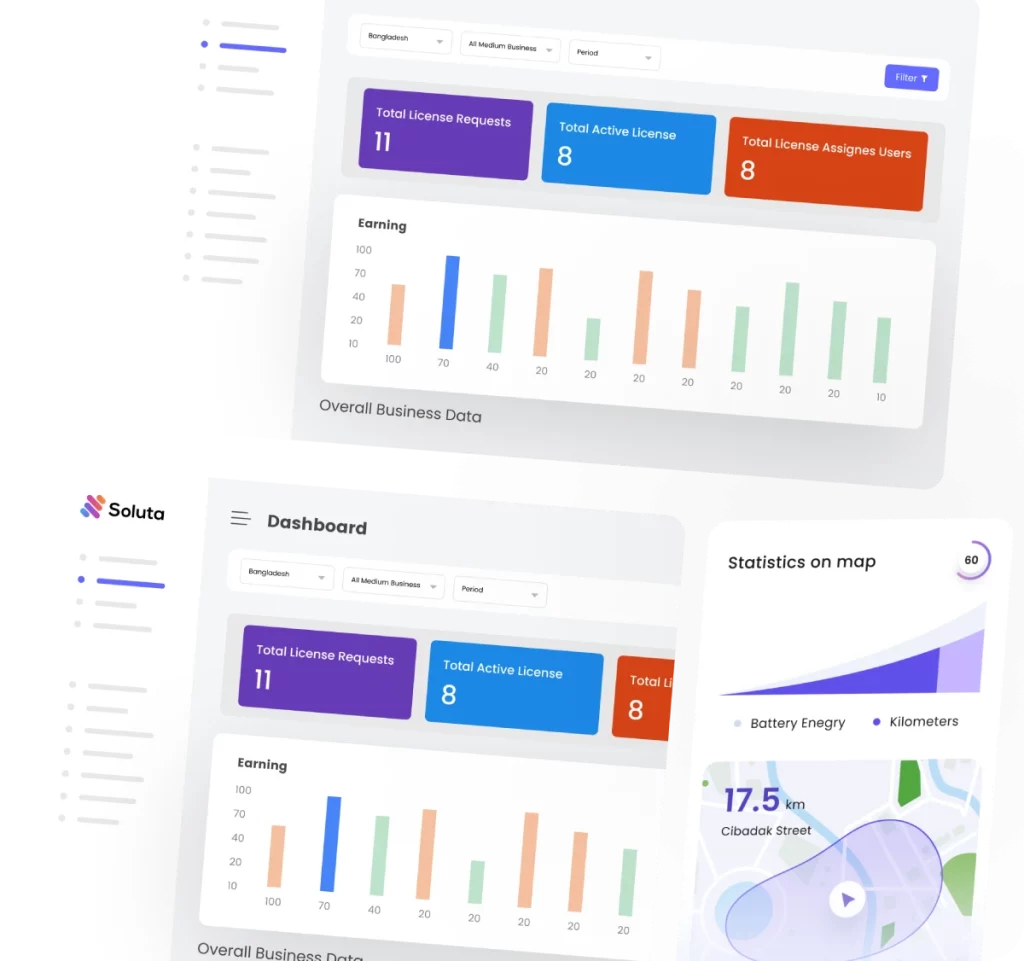
Soluta currently helps turn agricultural data into useful insights that farmers and organizations can actually work with. Its platform also brings agricultural insurance and other financial tools closer to the same digital ecosystem. In an era of billion-dollar losses in farming projects, this is quite a relief.
The team is also working on a carbon crediting system. Once we’re done with that, Soluta will be the first-ever agri-fintech platform in Bangladesh to bring carbon credit opportunities into the same ecosystem. This is huge.
With all of that, the larger idea is quite simple. Agriculture already generates enormous amounts of information. Soluta is helping make that information more useful.
Stay in touch with Soluta, and contact us if you need anything.
Ready to Make Smarter Farming Decisions?
Update your app or sign in today to experience the latest features and discover new ways to manage your agricultural operations with Soluta. Enjoy complimentary access to all premium features for the first few days!
Frequently Asked Questions About Agricultural Risk Intelligence
How is Agricultural Risk Intelligence different from precision agriculture?
Precision agriculture mainly focuses on using technology and data to improve farming practices, such as planting, irrigation, fertilization, and crop monitoring.
Agricultural Risk Intelligence has a broader focus. It looks at potential risks across farming and helps people understand what could affect agricultural operations. The two can overlap quite a lot.
Can small farmers benefit from AI in agriculture?
Yes.
AI doesn’t only have value for large commercial farms. Small farmers can also benefit from better weather information, crop insights, risk monitoring, digital records, and decision-support tools. The important thing is making the technology simple enough to actually use.
Does AI replace farmers?
No. At least, that’s not the point.
AI can process information, identify patterns, and provide insights. Farmers still bring something technology can’t easily replace: local knowledge, experience, judgment, and an understanding of their land. The strongest model is probably not farmer versus AI. It’s farmer plus better intelligence.
How can Agricultural Risk Intelligence help insurance?
Insurance depends heavily on understanding risk. Agricultural Risk Intelligence can help insurers analyze factors such as weather, location, crop conditions, and historical agricultural patterns. This can provide better information for assessing agricultural risks and developing more informed insurance solutions.
Why is Agricultural Risk Intelligence important for climate resilience?
Climate-related risks are becoming harder to manage through traditional approaches alone.
Agricultural Risk Intelligence can help identify potential climate risks earlier and give farmers and organizations better information for preparing, adapting, and responding.
It doesn’t stop climate events from happening. It helps people prepare for them.
Can Agricultural Risk Intelligence help financial institutions?
Yes.
Agricultural lenders need to understand the risks associated with farms and agricultural businesses. Better data and risk intelligence can give financial institutions more visibility into agricultural operations and help support more informed lending decisions.
How does Soluta support agricultural risk management?
Soluta brings AI-powered agricultural intelligence, digital tools, insurance, and other agricultural services into a connected platform.
Its goal is to help farmers and agricultural organizations better understand risk and make more informed decisions using relevant agricultural data and technology.
Final Thoughts
Agriculture will probably never become completely predictable. And maybe it shouldn’t.
There will always be rain that comes too early, rain that doesn’t come at all, pests that appear out of nowhere, and markets that decide to do their own thing.
What can change is how prepared we are for those things.
Agricultural Risk Intelligence gives farmers and the wider agricultural ecosystem a better way to look ahead. It connects data, technology, and human decision-making so that risks can be understood before they become expensive surprises.
The future of agriculture won’t be built by AI alone.
It will be built by people who know how to use AI, data, and technology without forgetting the thing that started it all in the first place: the farm.